
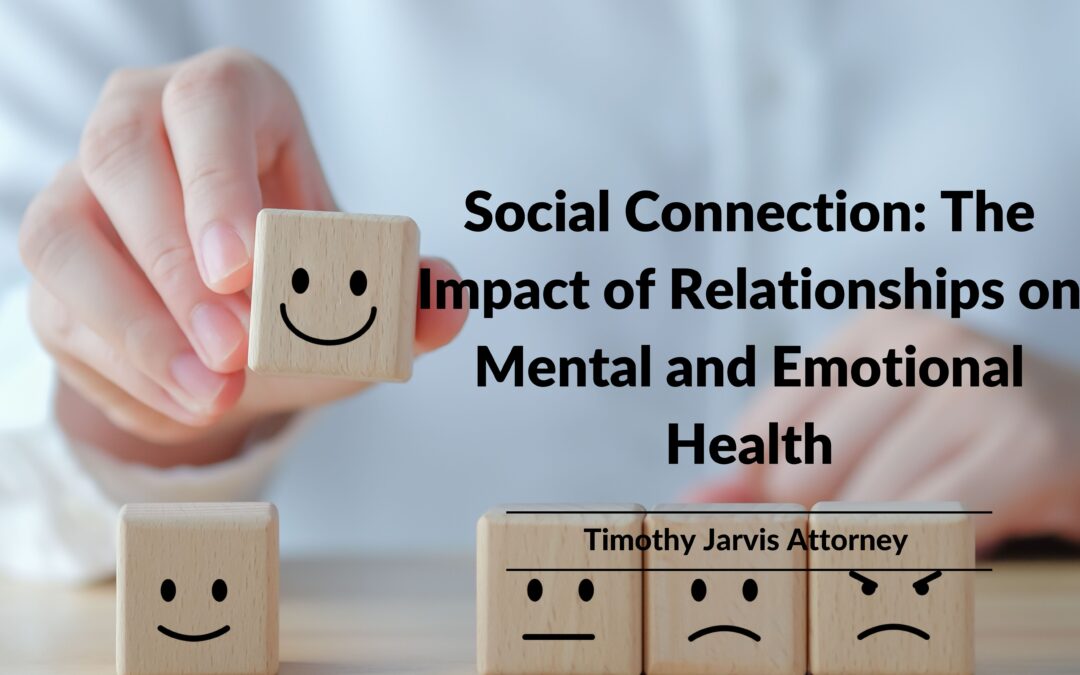
In the intricate tapestry of human existence, social connections are the threads weaving the fabric of our lives. From the bonds we share with family and friends to the connections forged within our communities and beyond, relationships play a pivotal role in shaping our mental and emotional well-being. In this blog post, we’ll explore the profound impact of social connection on mental and emotional health, highlighting the importance of nurturing meaningful relationships for overall well-being.
The Power of Social Connection
Humans are inherently social beings, wired for connection and belonging. Our relationships with others not only fulfill our basic need for companionship but also profoundly influence our mental, emotional, and physical health. Research has consistently shown that strong social connections are associated with numerous benefits, while social isolation or loneliness can harm well-being.
1. Emotional Support and Resilience
One of the most significant benefits of social connection is its role in providing emotional support during times of stress, adversity, or hardship. A network of supportive relationships can serve as a buffer against life’s challenges, offering comfort, encouragement, and reassurance during difficult times. Knowing that we have people we can turn to for empathy, understanding, and practical assistance enhances our resilience and coping mechanisms.
2. Improved Mental Health
Meaningful social connections are closely linked to better mental health outcomes, including reduced risk of depression, anxiety, and other mood disorders. Regular social interactions and fostering close, supportive relationships can boost self-esteem, promote a sense of belonging, and provide a source of joy and fulfillment in life. Conversely, social isolation or loneliness has been identified as a significant risk factor for poor mental health outcomes, highlighting the importance of connection.
3. Enhanced Physical Health
Surprisingly, social connections can also profoundly impact physical health outcomes. Research suggests that individuals with strong social support networks tend to have better cardiovascular health, immune function, and overall longevity than those who are socially isolated. The positive effects of social connection on physical health may stem from reduced stress levels, healthier lifestyle behaviors, and increased access to resources and healthcare.
4. Increased Empathy and Compassion
Engaging in meaningful relationships fosters empathy, compassion, and altruism—the ability to understand and care for the needs of others. Through interactions with friends, family, and community members, we develop greater emotional intelligence and interpersonal skills, deepening our capacity for empathy and connection. Acts of kindness and generosity within our social networks benefit others and contribute to our sense of fulfillment and purpose.
5. Sense of Belonging and Identity
Social connections give us a sense of belonging and identity, anchoring us within our communities and broader social networks. Whether through shared experiences, cultural heritage, or common interests, our relationships shape our sense of self and belonging in the world. Connecting to others cultivates a sense of purpose and meaning in life, reinforcing our sense of identity and place within society.
Nurturing Meaningful Relationships
Given the profound impact of social connection on mental and emotional health, it’s essential to prioritize and nurture meaningful relationships in our lives. Here are some strategies for fostering deeper connections and strengthening social bonds:
- Prioritize Quality Over Quantity: Focus on cultivating a few close, meaningful relationships rather than pursuing a large network of acquaintances. Invest time and energy in nurturing authentic connections based on mutual respect, trust, and shared values.
- Communicate Openly and Honestly: Practice open, honest communication with your loved ones, expressing your thoughts, feelings, and needs openly. This will create a safe space for vulnerability and authenticity within your relationships, allowing for deeper emotional intimacy and connection.
- Make Time for Connection: Prioritize quality time with friends and family, whether it’s through regular social outings, shared activities, or meaningful conversations. Schedule regular check-ins and opportunities to connect face-to-face, even amidst busy schedules.
- Show Empathy and Support: Practice active listening, empathy, and compassion in your interactions. Validate their experiences, offer support and encouragement, and be present for them during times of need.
- Engage in Shared Activities: Participate in activities or hobbies that bring joy and fulfillment alongside your social connections. Whether it’s volunteering, joining a club or sports team, or attending cultural events, shared experiences strengthen bonds and create lasting memories.
Conclusion
Social connection is fundamental to human existence, profoundly influencing our mental, emotional, and physical well-being. By nurturing meaningful relationships, fostering empathy and compassion, and prioritizing quality social interactions, we can cultivate a sense of belonging, resilience, and fulfillment. As we navigate the complexities of modern society, let us cherish and celebrate the connections that enrich our lives and sustain us through life’s challenges and triumphs.